

Quick facts
Suitable for - Trees and shrubs that tolerate hard pruning
1
Timing - Late winter or early spring
2
Difficulty - Easy
3
Suitable for...
Coppicing is a pruning technique used for many reasons, including:
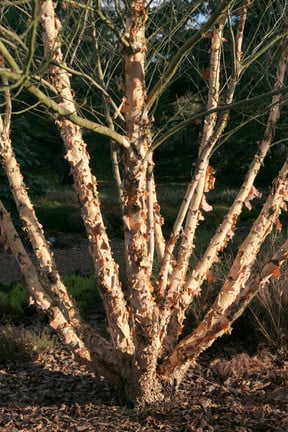
- Creates a multi-stemmed shrub rather than a large single-trunked tree
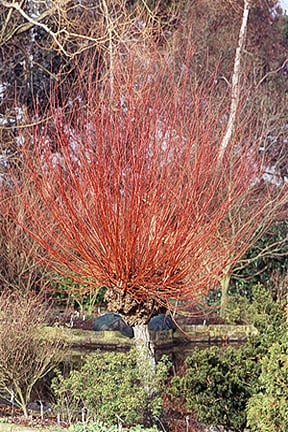
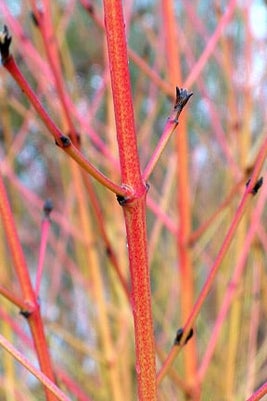
- Generates new stems on shrubs with good winter stem colour (such as dogwoods and some willows)
- Encourages larger leaves on trees such as Catalpa, Cercis and Paulownia
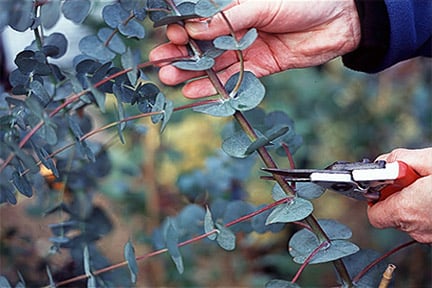
- Encourages juvenile small leaves on certain species of Eucalyptus
- Generates woody stems for firewood and/or charcoal making
- Rejuvenates and renovates old shrubs and hedging plants that tolerate hard pruning, such as yew, hornbeam and beech
These are a few of the plants suitable for coppicing:
- Acer pensylvanicum 'Erythrocladum'
- Beech (Fagus sylvatica)
- Dogwoods (Cornus), including Cornus sanguinea ‘Midwinter Fire’, C. sericea ‘Flaviramea’ and C. alba ‘Elegantissima’
- Elder (Sambucus)
- Foxglove tree (Paulownia)
- Gum (Eucalyptus gunnii)
- Hazel (Corylus)
- Hornbeam (Carpinus)
- Indian bean tree (Catalpa)
- Judas tree (Cercis)
- Lime (Tilia)
- Ornamental bramble (Rubuscockburnianus)
- Smoke bush (Cotinus)
- Toona sinensis ‘Flamingo’
- Willows (Salix), including Salix alba var. vitellina ‘Britzensis’, S. viminalis and S. daphnoides
- Yew (Taxus)
When to coppice
How to coppice
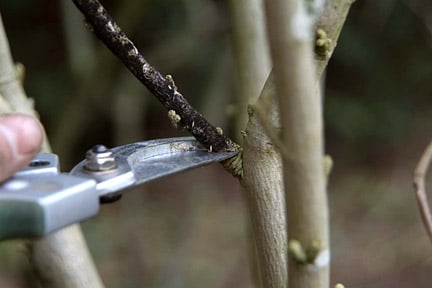
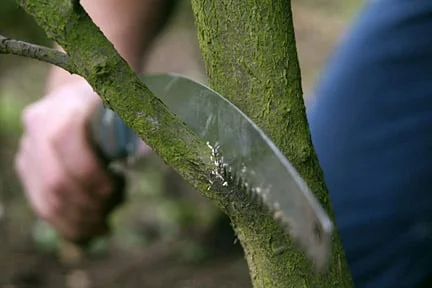
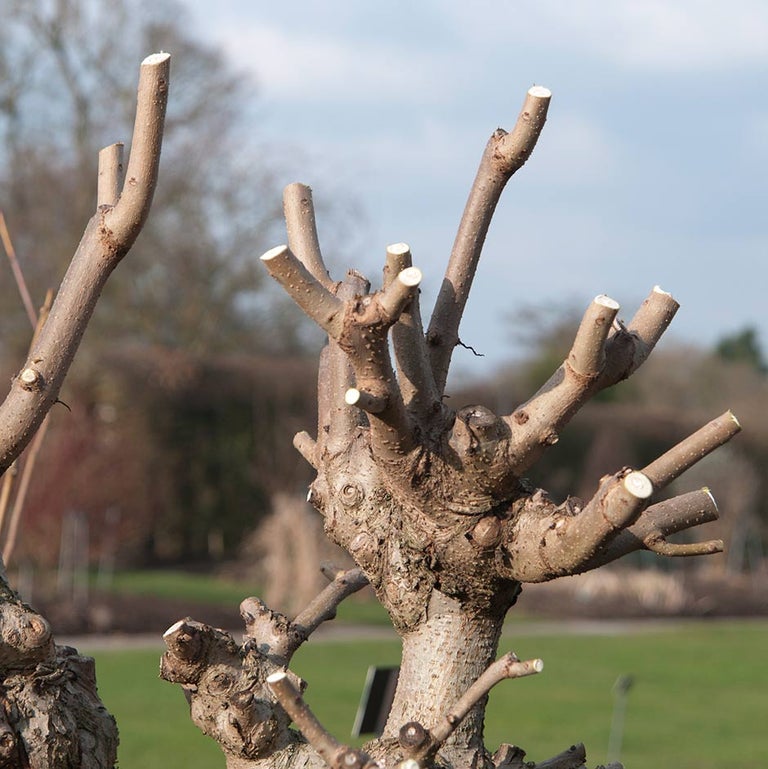
Coppicing is very easy, simply cut back all stems to within 5-7.5cm (2-2½in) from the ground, or to the previous year’s stubs.
Problems
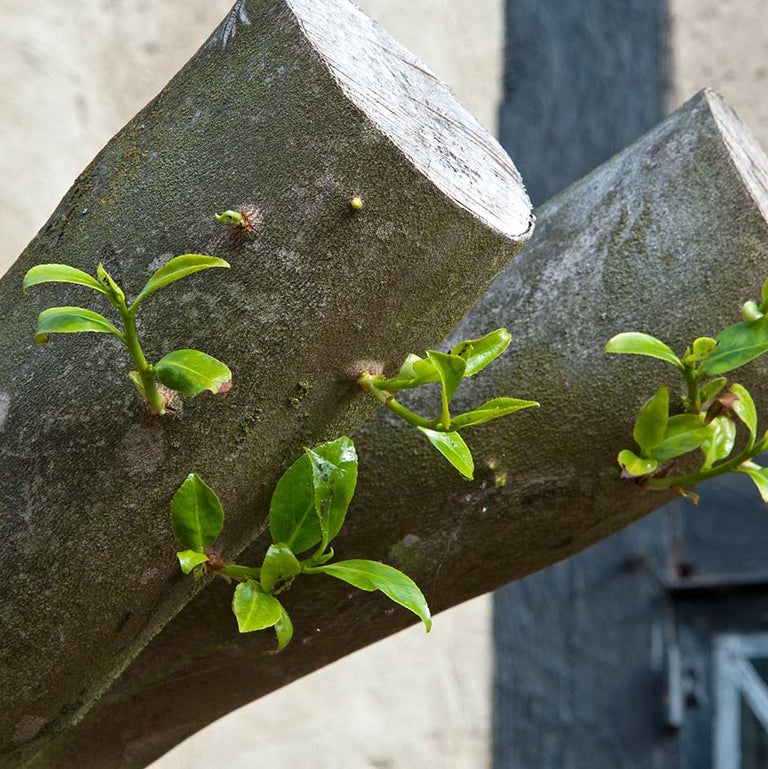
Sometimes when a large tree is coppiced suddenly, it can take two seasons to come back into growth, so don’t worry if it seems to take a while to shoot. This should not be the case where trees or shrubs are coppiced regularly.